- Cyber Safety
- Posts
- The Illusion of ‘Low-Risk’ Systems
The Illusion of ‘Low-Risk’ Systems
In partnership with

Hiring in 8 countries shouldn't require 8 different processes

This guide from Deel breaks down how to build one global hiring system. You’ll learn about assessment frameworks that scale, how to do headcount planning across regions, and even intake processes that work everywhere. As HR pros know, hiring in one country is hard enough. So let this free global hiring guide give you the tools you need to avoid global hiring headaches.
Attackers Rarely Start With the Crown Jewels
Threat actors often begin with overlooked systems: printers, test servers, internal dashboards, or forgotten applications. Low-value targets become entry points.
Small Systems Still Hold Valuable Data
An old support portal or internal wiki may expose usernames, architecture details, API keys, or credential patterns attackers can leverage elsewhere.
Weak Security Standards Spread Quietly
Systems considered “non-critical” are often patched less frequently, monitored less closely, and configured with weaker controls.
Attio - the AI CRM for modern businesses.
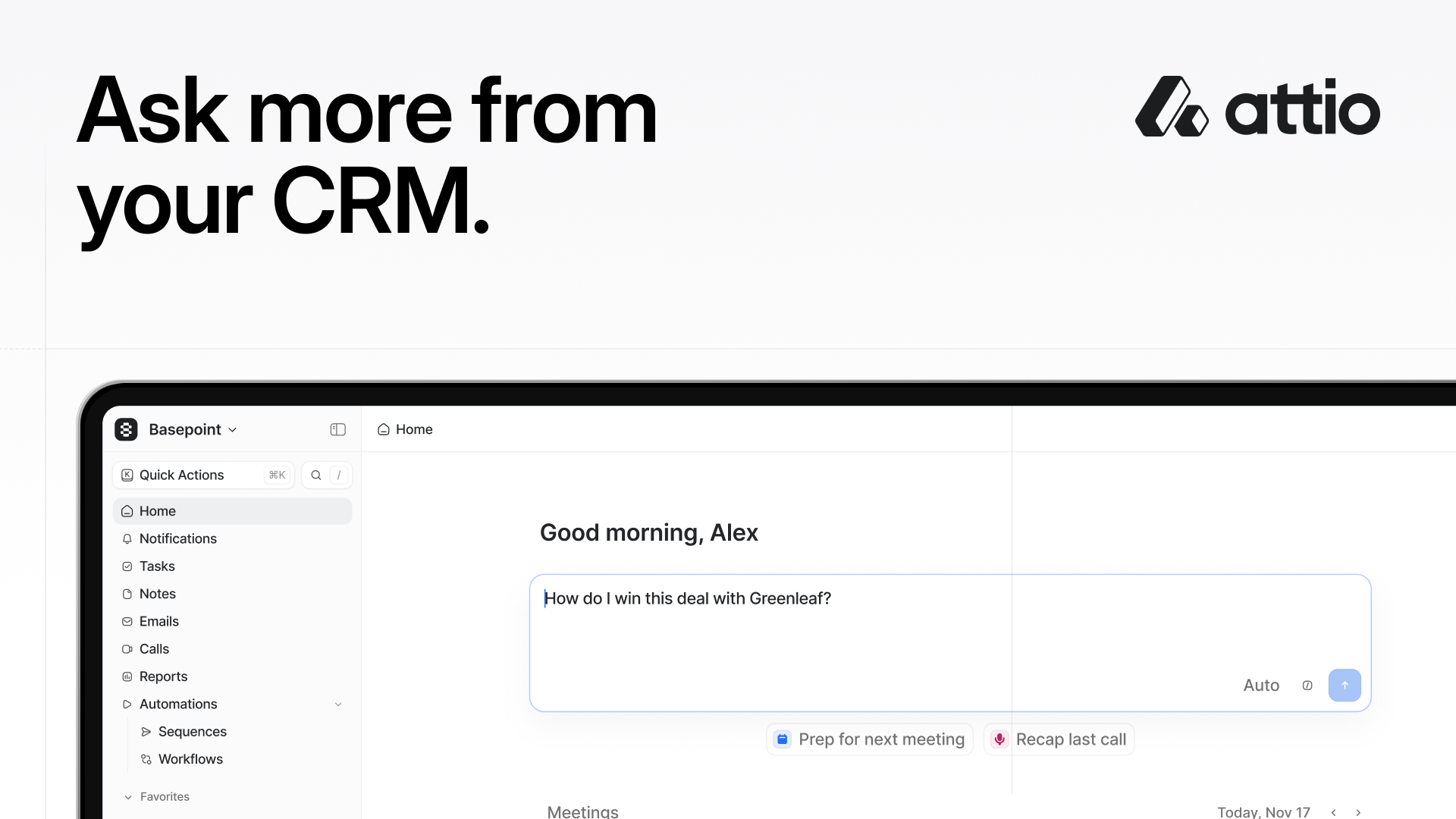
Attio is the AI CRM that keeps you ten steps ahead.
Ask Attio anything. Where should I focus? What deals are at risk? Search, update, and create across your customer data.
Ask more from CRM. Ask Attio.
Lateral Movement Turns Small Breaches Into Big Ones
Once attackers gain an initial foothold, they pivot toward higher-value assets. The first compromised system is rarely the final objective.
Internal Visibility Is Often Limited
Low-priority systems may not forward logs to the SIEM or have EDR installed. Attackers hide where defenders aren’t watching.
Treat Every Connected System as Part of Your Risk Surface
Apply baseline security controls consistently across environments. In cybersecurity, “low-risk” frequently means “low-attention” — and attackers notice that.
What happens when you throw out the GTM playbook

That investor was wrong. Gamma is now worth $2B, with 50M users and more than half their growth driven by word of mouth.
They're one of 6 AI-native startups in HubSpot for Startups' free Bold Bets Playbook. Replit grew revenue 50x after half the team pushed back on the strategy. Ramp generated 100M+ views from a single stunt. Clay's co-founder wouldn't hang up a sales call until the prospect DMed him in Slack.
Each one took a GTM risk most founders would never greenlight. Each one paid off.