- Cyber Safety
- Posts
- The False Sense of Safety in ‘Internal Only’ Systems
The False Sense of Safety in ‘Internal Only’ Systems
In partnership with

Your first HR system, implemented right

Rolling out your first HR tool? Get a step-by-step guide to avoid common mistakes, drive adoption, and build a scalable HR foundation.
Internal Access Is Still Access
Systems labeled “internal only” are often treated as safe by default. But once an attacker gains a foothold, these systems become prime targets.
VPN Access Expands the Perimeter
Remote users connect through VPNs daily. If credentials are compromised, attackers inherit internal visibility instantly.
Legacy Tools Are Rarely Hardened
Internal dashboards, monitoring tools, and admin panels often lack MFA and strong logging because they were never meant to be public.
Attio - the AI CRM for modern businesses.
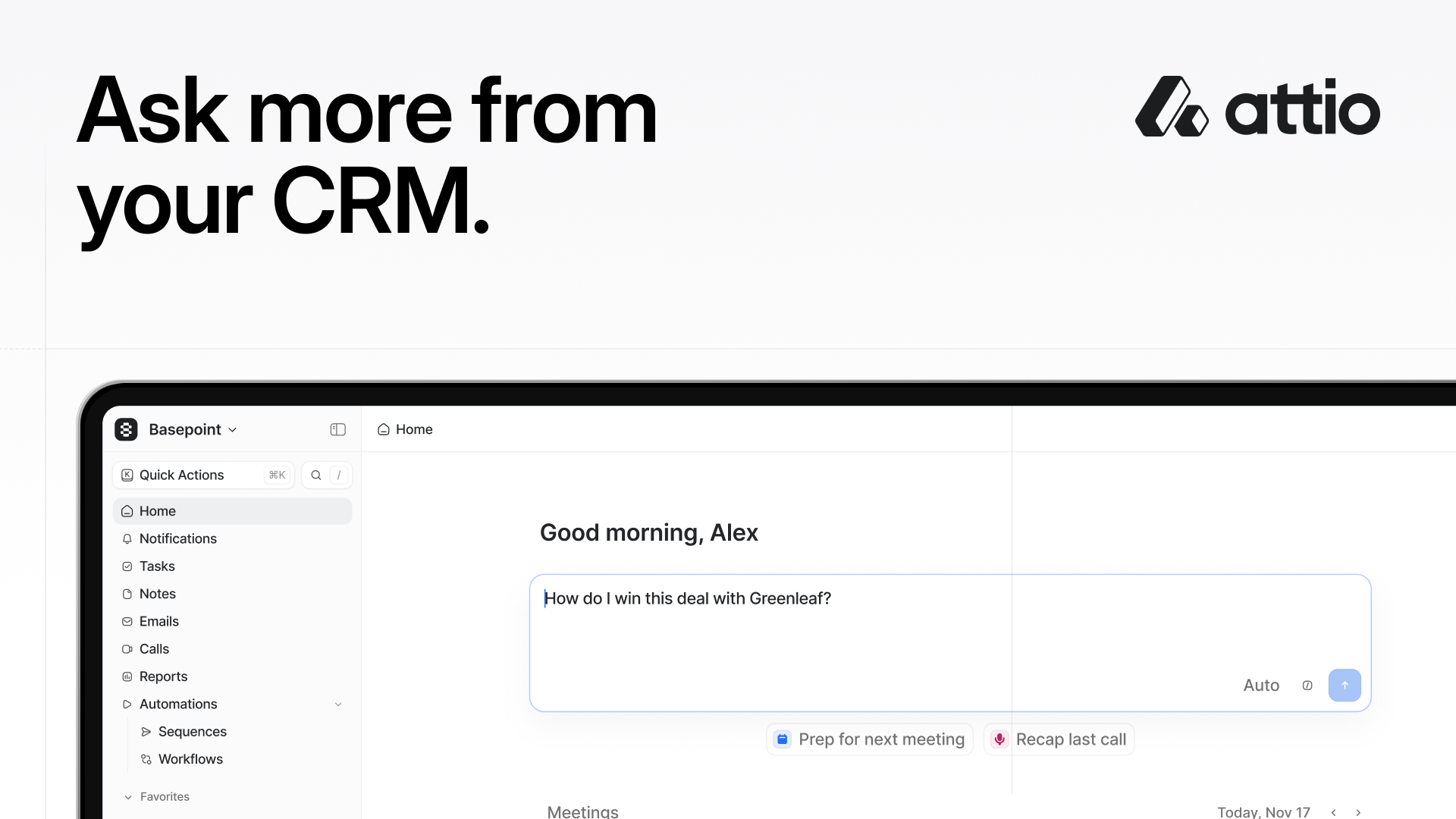
Attio is the AI CRM that keeps you ten steps ahead.
Ask Attio anything. Where should I focus? What deals are at risk? Search, update, and create across your customer data.
Ask more from CRM. Ask Attio.
Monitoring Focuses on External Threats
Security teams invest heavily in perimeter defense, but internal traffic inspection may be limited or inconsistent.
Lateral Movement Thrives Internally
Flat architectures allow attackers to pivot from one internal system to another without triggering perimeter alarms.
Treat Internal Systems as High-Risk Assets
Apply MFA everywhere, enforce least privilege, segment internal networks, and monitor east-west traffic. “Internal” is not a security control — it’s a location.
One editor for writers, developers, and agents

Most doc tools make you choose: accessible for writers, or git-native for developers. Mintlify's editor does both. Writers get WYSIWYG editing, developers keep their git workflow, and AI agents contribute via MCP. Every change syncs both ways. Your whole team, in one place.