- Cyber Safety
- Posts
- Attackers Think in Chains — Do You?
Attackers Think in Chains — Do You?
In partnership with

Your first HR system, implemented right

Rolling out your first HR tool? Get a step-by-step guide to avoid common mistakes, drive adoption, and build a scalable HR foundation.
Single Vulnerabilities Rarely Cause Breaches
Most major incidents don’t start with one catastrophic flaw. They begin with small weaknesses combined strategically.
Credential Reuse + MFA Fatigue = Access
Stolen passwords alone may fail. But combined with push fatigue tactics, attackers can bypass authentication controls.
Misconfiguration + Overprivileged Role = Escalation
A minor IAM mistake becomes critical when paired with excessive permissions. Chained together, small issues escalate rapidly.
Attio - the AI CRM for modern businesses.
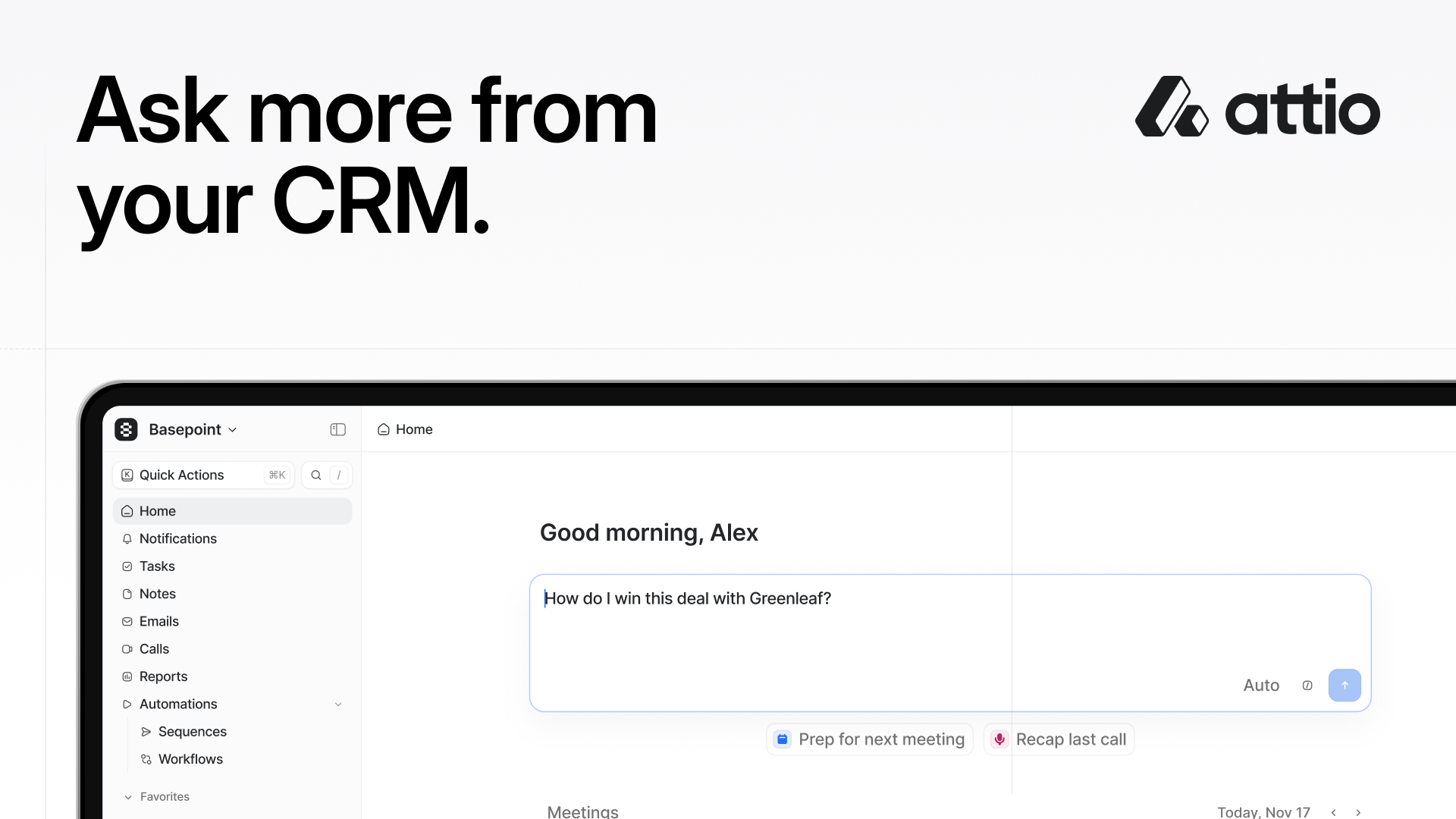
Attio is the AI CRM that keeps you ten steps ahead.
Ask Attio anything. Where should I focus? What deals are at risk? Search, update, and create across your customer data.
Ask more from CRM. Ask Attio.
Phishing + Token Theft = Persistent Access
Even if passwords are reset, stolen session tokens allow continued entry. Attackers layer techniques to maintain control.
Lateral Movement Exploits Trust Relationships
Once inside, attackers map networks and pivot through trusted systems. Each trusted connection becomes part of the chain.
Defense Must Break the Chain Early
Patch consistently, enforce least privilege, monitor anomalies, and segment networks. You don’t need to eliminate every risk — just break the sequence.
Your ads ran overnight. Nobody was watching. Except Viktor.

One brand built 30+ landing pages through Viktor without a single developer.
Each page mapped to a specific ad group. All deployed within hours. Viktor wrote the code and shipped every one from a Slack message.
That same team has Viktor monitoring ad accounts across the portfolio and posting performance briefs before the day starts. One colleague. Always on. Across every account.